
OUR STORY
A Longer American Story
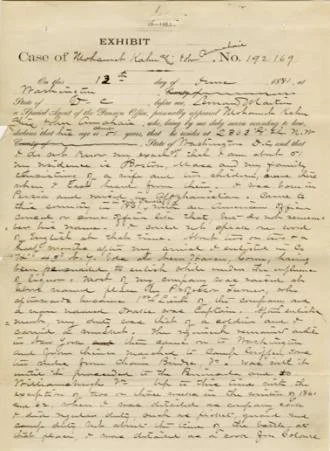
The Afghan-American story did not begin in 2021. It reaches back generations — to early Afghan arrivals in the United States, including Mohammed Kahn, raised in Afghanistan, arrived in the United States in 1861, and went to serve in the Union Army during the Civil War. His story, documented in the National Archives, reminds us that Afghans have long been part of the American story, even when that history has gone largely unrecognized.
Today, Afghan-Americans continue that story as parents, workers, students, veterans, entrepreneurs, artists, advocates, public servants, and neighbors across the United States.
Why AAF Exists
Afghan-American stories should be told by us, written by us, and shaped by us.
For too long, Afghan and Afghan-American experiences have been defined by others, through the lens of war, crisis, displacement, or tragedy. Those realities are part of our history, but they are not the whole story. AAF exists to help our community tell a fuller one: rooted in dignity, resilience, contribution, culture, leadership, and belonging. We work to ensure Afghan-American voices are represented in the narratives, policies, and public conversations that shape how our communities are understood, and how our futures are built.
That commitment is grounded in research. Our 2018 study of Afghan-American communities documented the need for a stronger platform to understand, connect, and elevate Afghan-American voices — and helped lay the foundation for AAF's work across policy advocacy, public education, community engagement, research, and thought leadership.
A Community Called to Action
The fall of Kabul in August 2021 marked a defining moment for Afghans around the world. Across the United States, Afghan-American families, community leaders, veterans, advocates, resettlement organizations, and allies mobilized to support those fleeing danger, reunite families, navigate complex systems, and respond to an unfolding humanitarian and policy crisis. For AAF, the moment deepened the urgency of our mission. But for Afghans, whether recently arrived or long-settled, resettlement is not the end of the journey. It is the beginning of a long chapter of rebuilding identity, stability, belonging, and civic life. No one understands this better than Afghan-Americans themselves.
AAF is rooted in the lived experience, trust, and resilience of the community we serve. We know the weight many Afghans have carried — and the strength, creativity, and leadership our communities bring to the United States. That proximity is central to our work: it allows AAF to serve as a trusted bridge between Afghan-American communities, policymakers, partners, institutions, and allies.
What We are Building
Today, AAF works across five areas: policy advocacy; public education and narrative change; community and civic engagement; research and thought leadership; and Afghanistan policy, human rights, and peace. We bring together community members, partners, policymakers, advocates, and allies to advance Afghan-American voices and interests — grounded in the belief that Afghan-Americans should be represented not only in moments of crisis, but in the ongoing decisions, institutions, and narratives that shape our future. As our communities continue to grow and evolve, AAF remains committed to building understanding, strengthening civic participation, and supporting informed action on the issues affecting Afghan-Americans and Afghans.
WHAT GUIDES US
Representation
Our voices should be present in the conversations and decisions that affect our communities.
Dignity
Policies, narratives, and institutions that recognize our humanity, rights, and lived experiences.
Understanding
The full complexity of our experiences — not only crisis, but contribution, leadership, culture, and belonging.
Community
Connection, leadership, and participation build the future.
The Story Continues
Across the country, Afghan-Americans are rebuilding, contributing, organizing, and stepping into leadership. The next chapter of our story depends on our ability to come together, build power, strengthen our institutions, and shape the decisions that affect our communities and Afghanistan’s future. AAF exists to help advance that work: by elevating Afghan-American voices, supporting community leadership, and ensuring our stories are told by us and ensuring our stories are told by us and shaped by us.